Honey knowledge · Previous article
Understanding honey.
From the first spoonful.
This article preserves the detailed answers from the previous FAQ. For current questions about buying and collecting honey, visit the Honey FAQ.
Why does honey set? How can you preserve its aroma? And which Kassel honey is right for you? Find the key answers here, from the first spoonful to the empty jar.
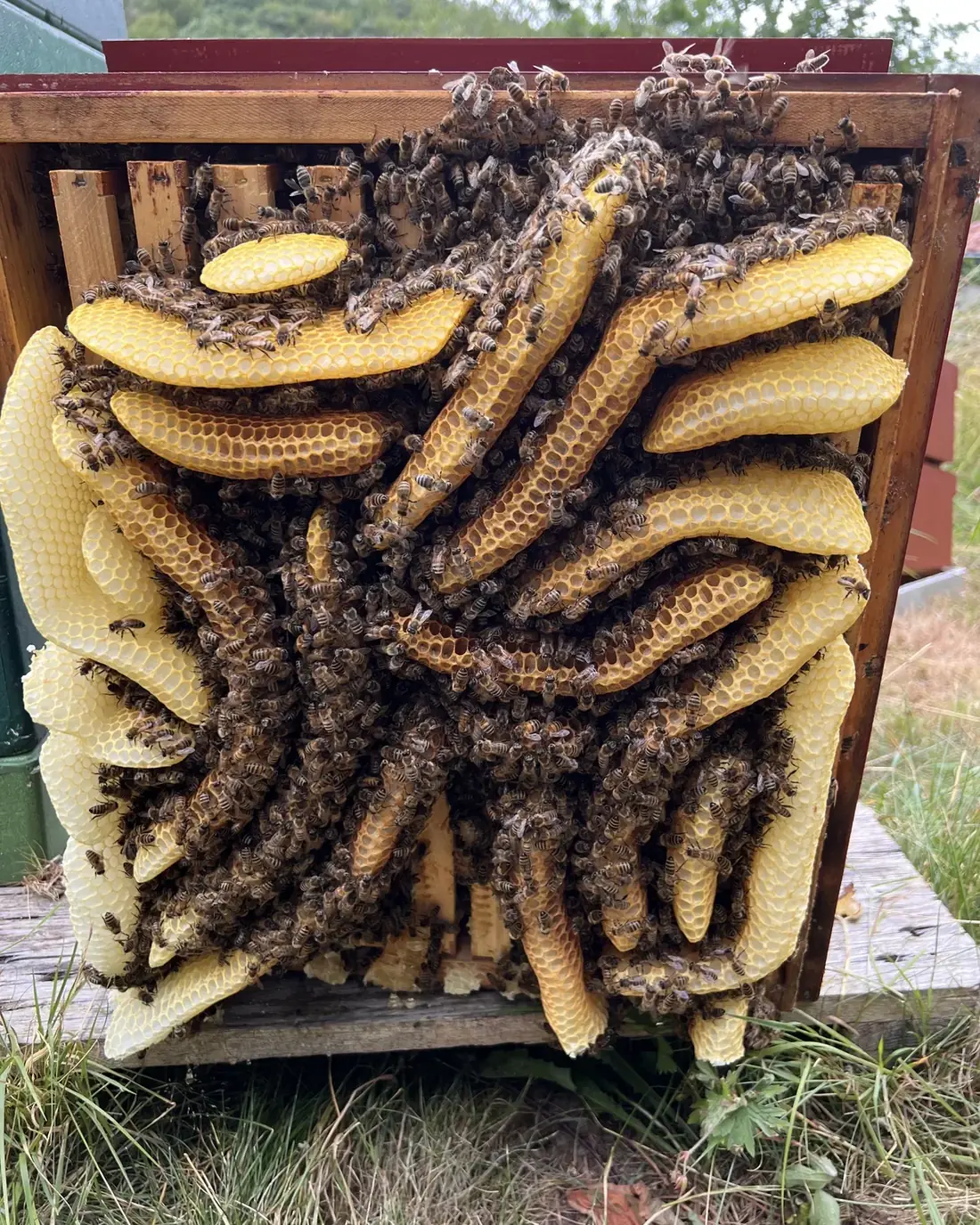
17 answers about honey
A food with many sides.
Honey does not always have to look or taste the same. Many of the things you notice in the jar are part of its natural changes. These answers help you understand the differences.
Is your question missing? Email us at lecker@honig-aus-kassel.de.
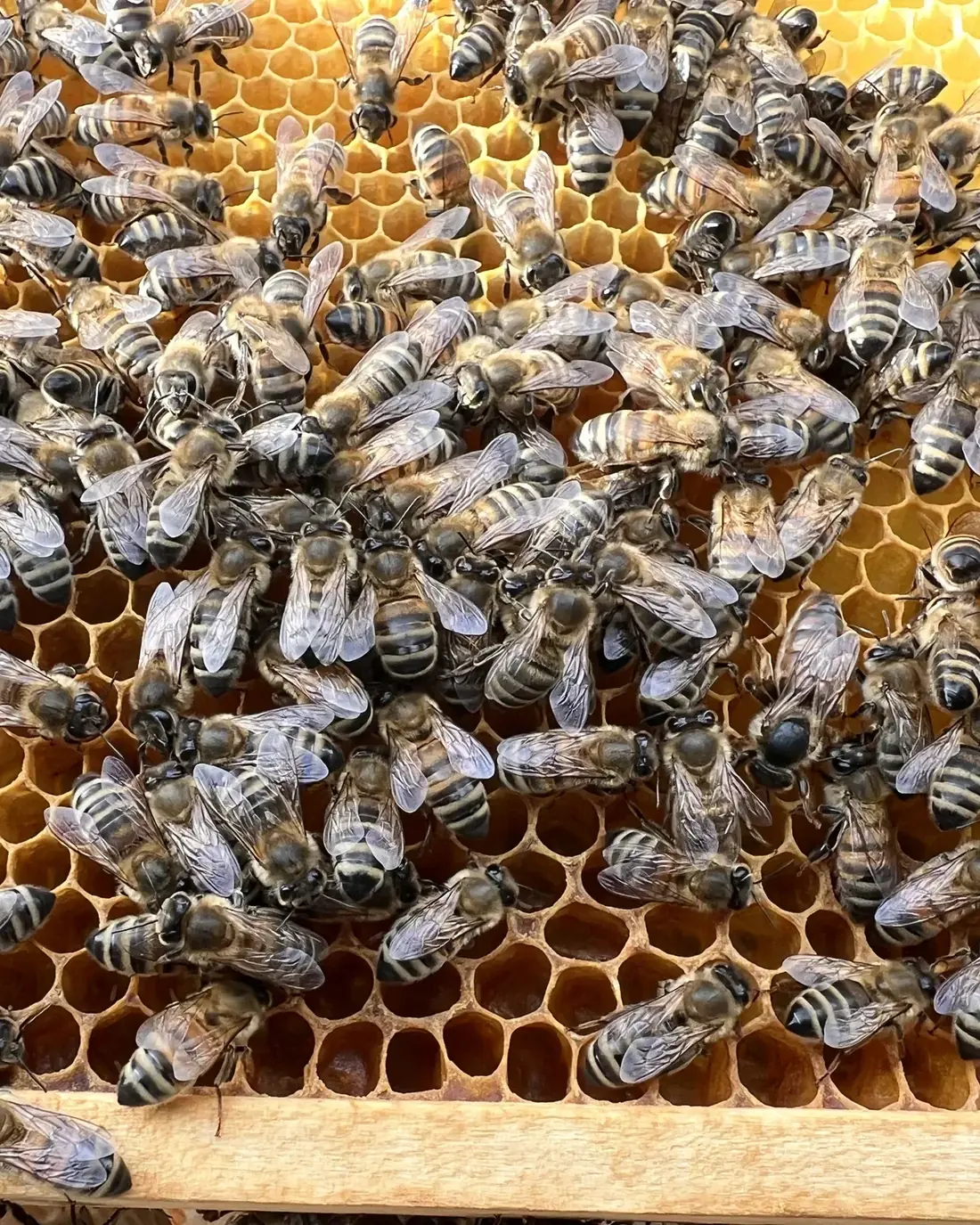
Origin & flavour
Where does your honey come from?
Our Kassel bees are based in Kirchditmold, Nordshausen and beside Bergpark Wilhelmshöhe. We also have apiaries in Kaufungen and Liebenau. On the apiary locations page you can discover the places behind our honeys. Which harvests are available depends on the season and the retailer.
Why does honey taste different from year to year?
Bees gather what their surroundings offer at the time. Which plants flower and how much nectar they produce also depend on the weather. As a result, colour, aroma and flavour can vary from one harvest to the next, even at the same apiary.
Is “Kirchditmold” a type of honey like “lime blossom”?
No. A place name describes the origin. A botanical variety name such as lime blossom or oilseed rape honey, by contrast, describes the main plant source and must be supported by the honey’s characteristics. An apiary beside a lime tree does not, by itself, make lime blossom honey.
Is dark honey better than light honey?
Colour is not a mark of quality. It is mainly influenced by the plant source; crystallisation also makes honey appear lighter. What matters when choosing is which flavour and texture you enjoy.
What is the difference between blossom honey and honeydew honey?
Blossom honey comes from floral nectar. To make honeydew honey, bees gather the sugary secretions of insects that feed on plant sap. Forest honey is a honeydew honey when the honeydew comes from woodland. Nectar and honeydew can also end up together in the same jar.
In the jar
Why does my honey set?
Sugar crystals can form in honey, mainly from glucose. How quickly this happens depends in part on its sugar composition and the temperature. Crystallisation is a normal process and is not, by itself, a sign of spoilage.
What makes honey creamy?
A smooth, creamy texture comes from many small, evenly distributed sugar crystals. Stirring during crystallisation can influence this structure. No cream or other additive is needed. Runny or creamy describes the texture, rather than a higher or lower quality.
What is the best way to store honey?
Keep it cool, dry, dark and tightly sealed. A cupboard away from the cooker and direct sunlight is usually more suitable than a windowsill. There is no need to refrigerate it. Close the lid after use: honey can absorb moisture and other odours.
Can I make set honey runny again?
Yes. Warm it gently in a water bath at no more than 40 °C, stirring occasionally. Do not let water enter the jar. Avoid strong heat and the microwave, as both can affect the quality of the honey. Of course, you can also enjoy the honey set.
What do white patches on the inside of the jar mean?
Set honey can develop what is known as frosting: air between the sugar crystals makes some areas appear whitish. This is not mould. However, not every change can be identified reliably from a distance. If you are unsure, send us a photograph and the details from the label.
Enjoy safely
This also applies to sweetening drinks or putting honey on a dummy. Honey can contain spores that cause botulism in infants.
Why must infants not be given honey?
Certain bacterial spores in honey can multiply in the not yet fully developed gut of children under twelve months and produce a dangerous nerve toxin. Honey should therefore be avoided throughout the first year of life. Normal heating at home does not reliably make it safe for infants.
Has honey gone off after its best-before date?
Not automatically. The best-before date is not a date to throw it away. Correct storage is crucial to how long the flavour and texture are preserved. Check the jar and honey for changes. If there is an unusual smell, gas formation or any other doubt, stop eating it and ask for advice.
Can honey ferment?
Yes, yeasts can become active, particularly when the water content is too high. A fermented smell, newly forming bubbles or pressure in the jar are warning signs. This is different from normal crystallisation. Stop using honey that shows unusual changes and contact us if it came from one of our jars.
Can I use honey in tea or cooking?
Yes, honey can also be used in cooking. For a delicate aroma in tea, stir it in once the drink has cooled a little. In cooking and baking, heat alters its sensitive components. Choose a flavour to suit the dish: mild for subtle sweetness, stronger for a deliberate flavour note.
Buy honey
Where can I buy your honey?
You can find our honey at Biomarkt Greger in Kassel-Wilhelmshöhe and at Quer Beet Naturkost in Kassel-Nordshausen. Addresses and links are listed under Where to buy. The range may change with the harvest.
Is every honey always available?
No. The selection depends on the available harvests and the stock in each shop. Each retailer also sets its own prices. Ask there which jars are currently available.
Can other shops stock your honey?
Yes, we welcome enquiries from suitable shops. Custom labels are available on request; we will agree the scope and terms with you. Email us at lecker@honig-aus-kassel.de.
Keep exploring
From the jar back to the bees.
How do thousands of bees manage to gather food, build comb and survive the winter together? Our bee knowledge opens the door to their world.